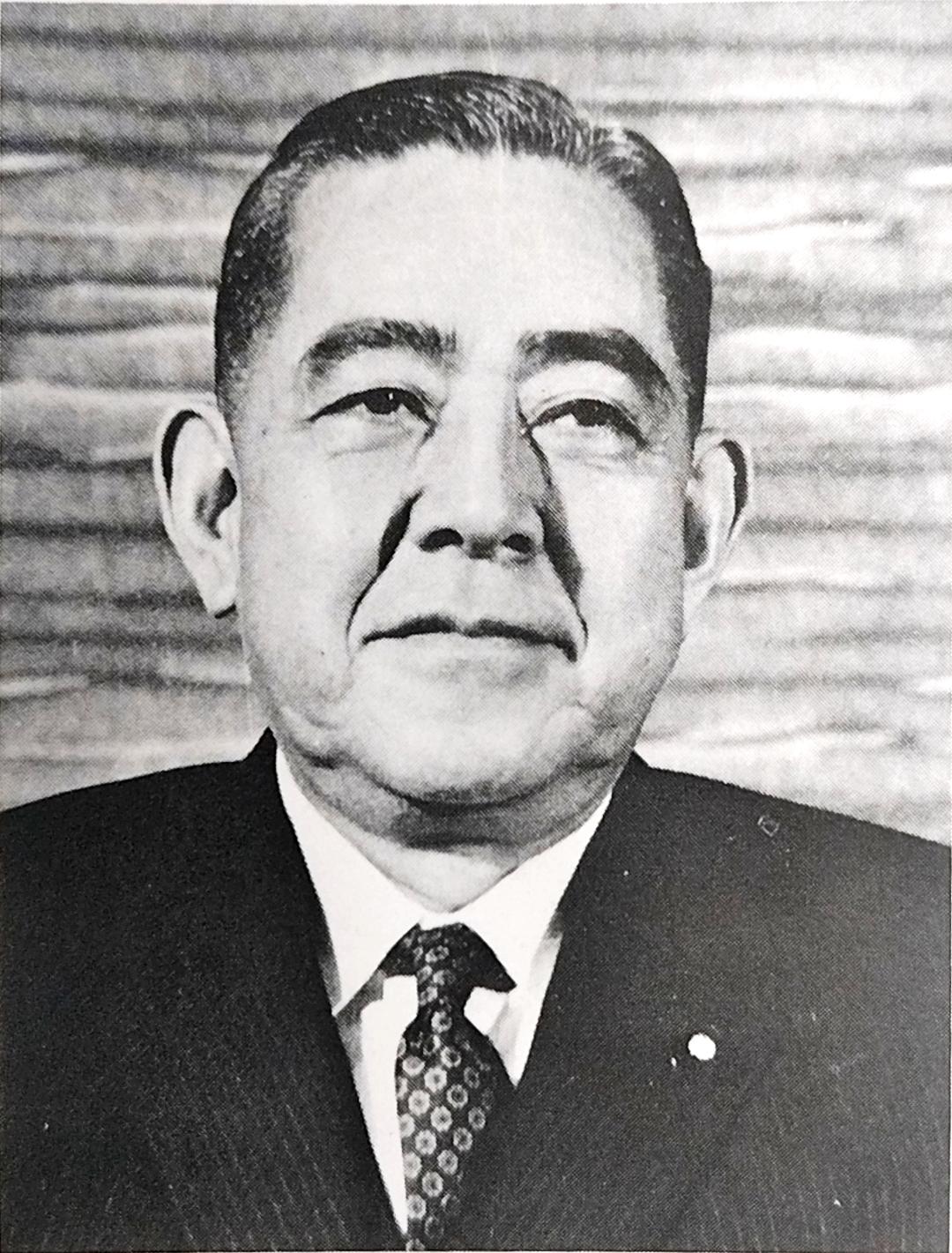
Eisaku Satō
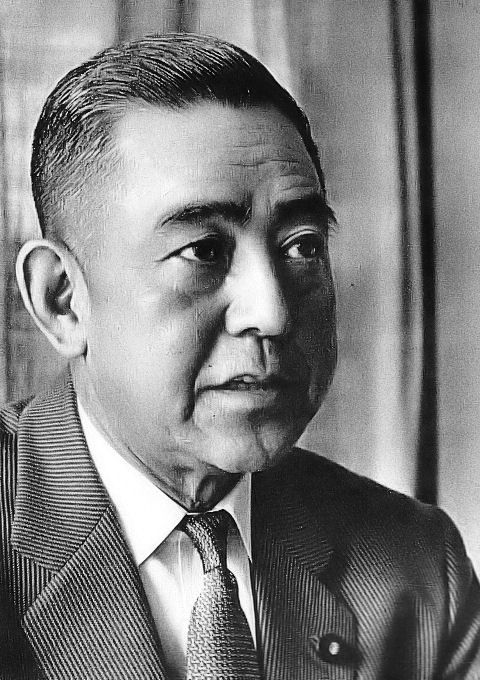
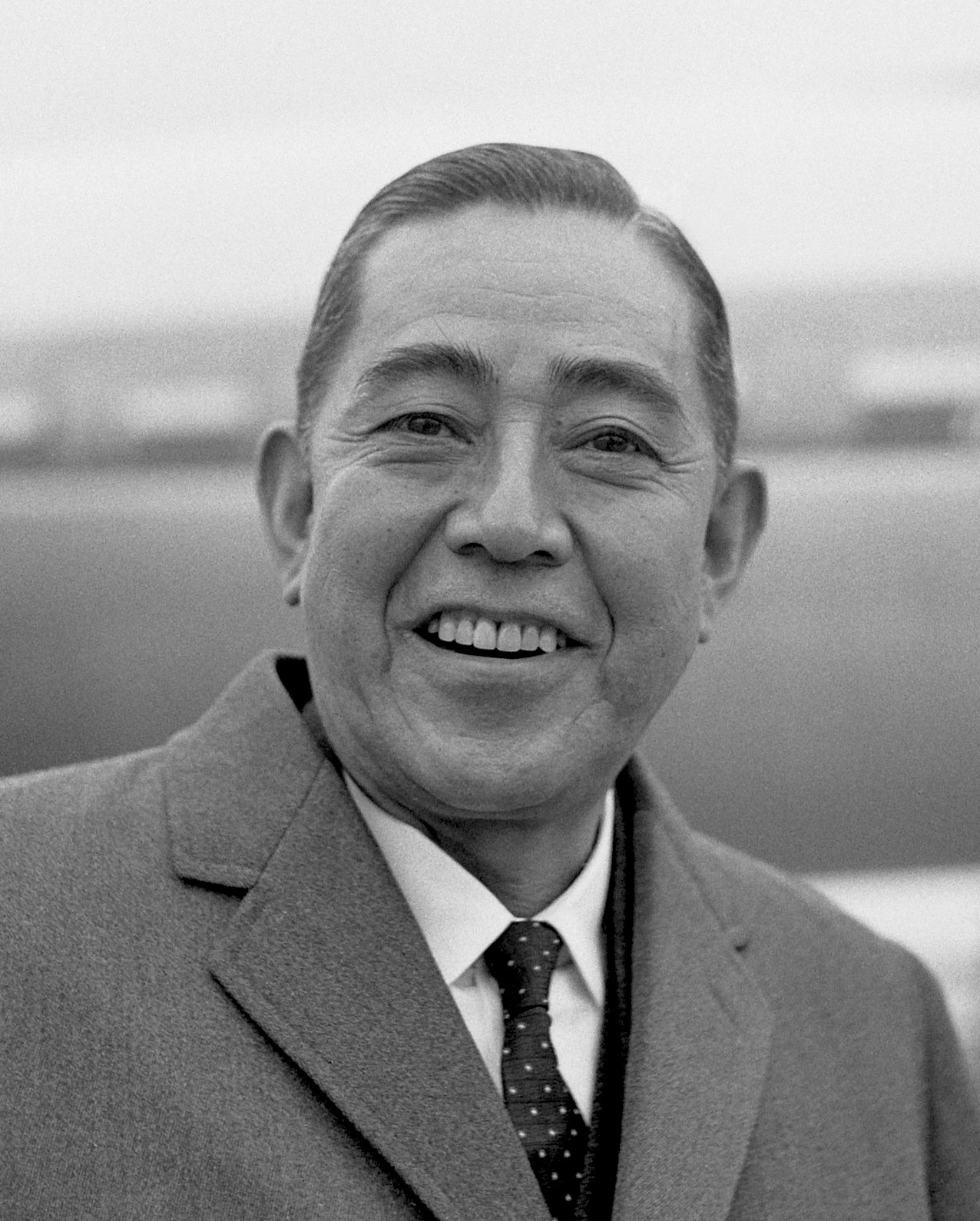
Eisaku Satō was a Japanese politician who served as prime minister of Japan from 1964 to 1972, holding the office for the third-longest period overall and the longest uninterrupted term in the nation’s history. He is most prominently remembered for securing the return of Okinawa to Japanese control in 1972 and for winning the Nobel Peace Prize in 1974, an award that generated controversy. Satō came from a prominent political family in Yamaguchi Prefecture; his elder brother, Nobusuke Kishi, had also served as prime minister. He was a former elite bureaucrat, having graduated from Tokyo Imperial University and joined the Ministry of Railways, and he belonged to the Yoshida school of politicians, as did his predecessor Hayato Ikeda. Like Ikeda, Satō supported Keynesian economic policies. After entering the National Diet in 1949 as a member of the Liberal Party, he held several cabinet positions under Shigeru Yoshida, including posts and telecommunications minister, construction minister, and chief cabinet secretary. He later joined the Liberal Democratic Party and served as finance minister under his brother Kishi and as international trade and industry minister under Ikeda. As prime minister, Satō had strong backing from Japanese business and finance and oversaw a period of rapid economic growth. In foreign policy, he normalized diplomatic relations with South Korea, maintained close ties with the United States, allowed the renewal of the U.S.–Japan Security Treaty in 1970, and arranged the return of Okinawa in 1972. He introduced the "Three Non-Nuclear Principles" in 1967 and signed the Nuclear Non-Proliferation Treaty in 1968, for which he won the Nobel Peace Prize. However, it was later revealed that he had made secret agreements with the U.S. that allowed violations of these principles. Facing economic difficulties and declining popularity, Satō resigned in 1972 and was succeeded by Kakuei Tanaka, quickly losing political influence when his protégé Takeo Fukuda did not succeed him.
- field
- Politics
- nationality
- Japanese
Lore & Background
Eisaku Satō was born in Tabuse, Yamaguchi Prefecture, the third son of a businessman who quit his government post to start a sake brewing business. His family had a history in sake brewing and had held the brewing rights for generations. His great-grandfather was a samurai of the Chōshū Domain, a region that produced more Meiji and Taisho prime ministers than any other prefecture. Satō’s two older brothers included a vice admiral and Nobusuke Kishi, who later served as prime minister. He studied German law at Tokyo Imperial University, passed the senior civil service examinations in 1923, and upon graduation joined the Ministry of Railways. He rose through the bureaucracy, serving as Director of the Osaka Railways Bureau and later as Vice-Minister for Transport. After entering the National Diet in 1949 as a Liberal Party member, he held several cabinet posts under Shigeru Yoshida, including posts and telecommunications minister, construction minister, and chief cabinet secretary. He later served as finance minister under his brother Kishi and as international trade and industry minister under Hayato Ikeda. As prime minister from 1964 to 1972, Satō presided over rapid economic growth with Keynesian policies, secured the return of Okinawa from the United States in 1972, normalized relations with South Korea, and introduced the "Three Non-Nuclear Principles." He won the 1974 Nobel Peace Prize for signing the Nuclear Non-Proliferation Treaty, though secret agreements with the U.S. later emerged that allowed violations of those principles. He resigned in 1972 amid economic troubles and falling approval, succeeded by Kakuei Tanaka.
Reader's Guide
Satō’s premiership was defined by rapid economic expansion, supported by Keynesian policies and strong backing from Japanese business and finance. He maintained close ties with the United States, overseeing the renewal of the U.S.–Japan Security Treaty in 1970 and securing the return of Okinawa to Japanese control in 1972. In foreign affairs, he normalized relations with South Korea in 1965, approved a loan to Taiwan, and visited Taipei in 1967, insisting that Taiwan’s defense was vital for Japan’s security. He opposed both the Nixon visit to China and the People’s Republic’s entry into the United Nations in 1971. Domestically, his administration faced growing opposition due to its support for U.S. military operations in Vietnam. Satō introduced the “Three Non-Nuclear Principles” in 1967—non-production, non-possession, and non-introduction of nuclear weapons—and signed the Nuclear Non-Proliferation Treaty in 1968, for which he won the 1974 Nobel Peace Prize, a controversial award.
Did You Know?
- Satō was the younger brother of prime minister Nobusuke Kishi.
- At the time of his resignation, Satō was the longest-serving prime minister in Japanese history.
Gallery
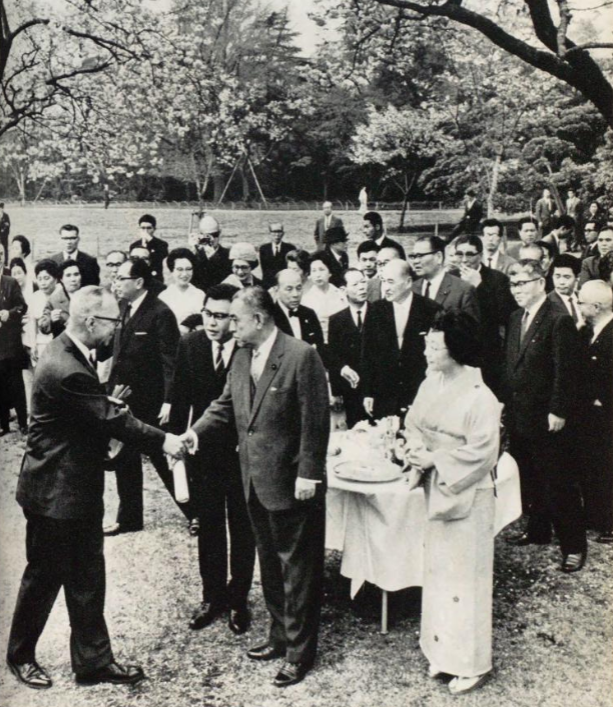
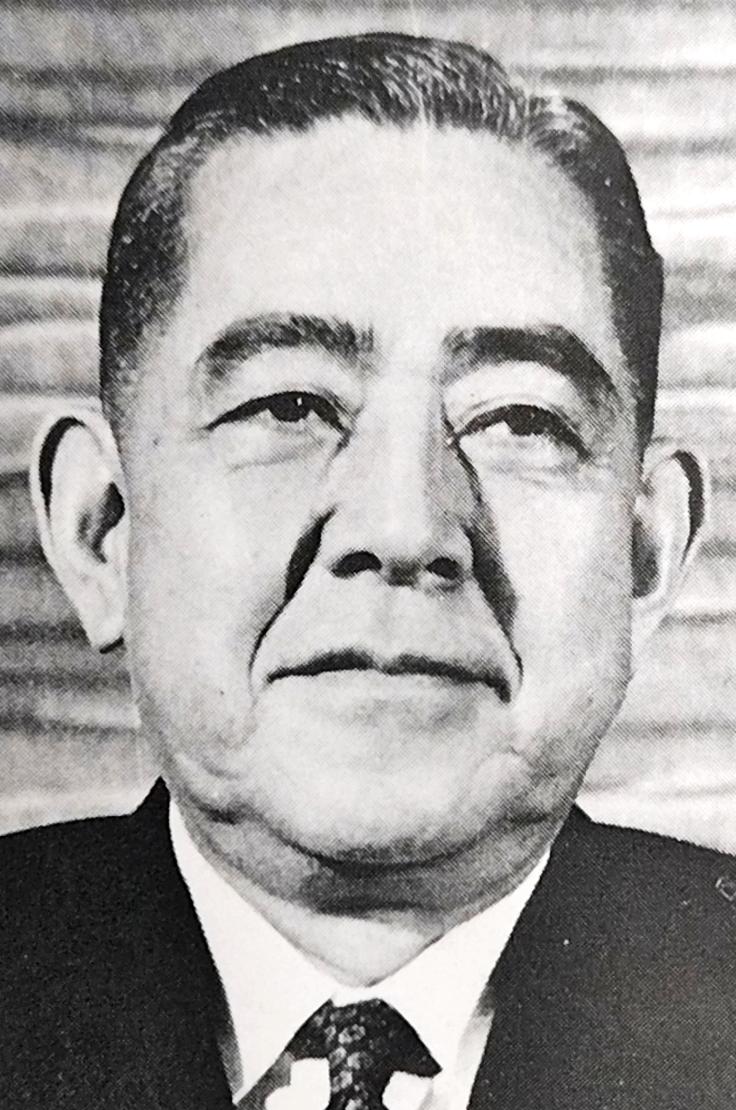
Frequently Asked Questions
What was Eisaku Satō's economic legacy as prime minister?
During his tenure, Japan experienced a remarkable wave of economic expansion, and Satō's administration leaned on Keynesian stimulus to sustain that growth. His eight-year run as PM gave his policies a continuity that shorter-serving predecessors rarely enjoyed.
More in Political Leaders & Revolutionaries 1-24
Spotted an error? Know more?
This is a living reference — every entry is fact-audited, and reader corrections feed straight into our audit queue. Suggest an edit · See this site's audit record