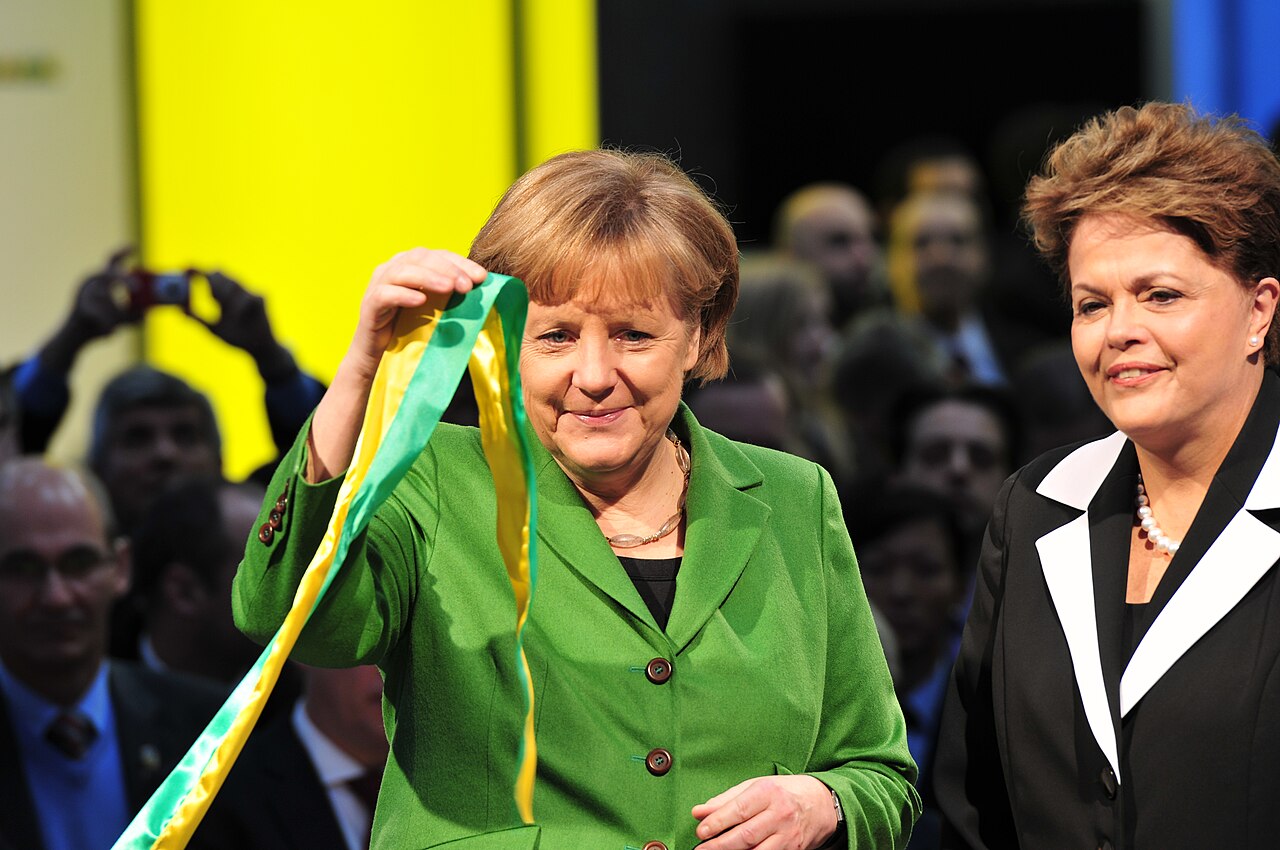
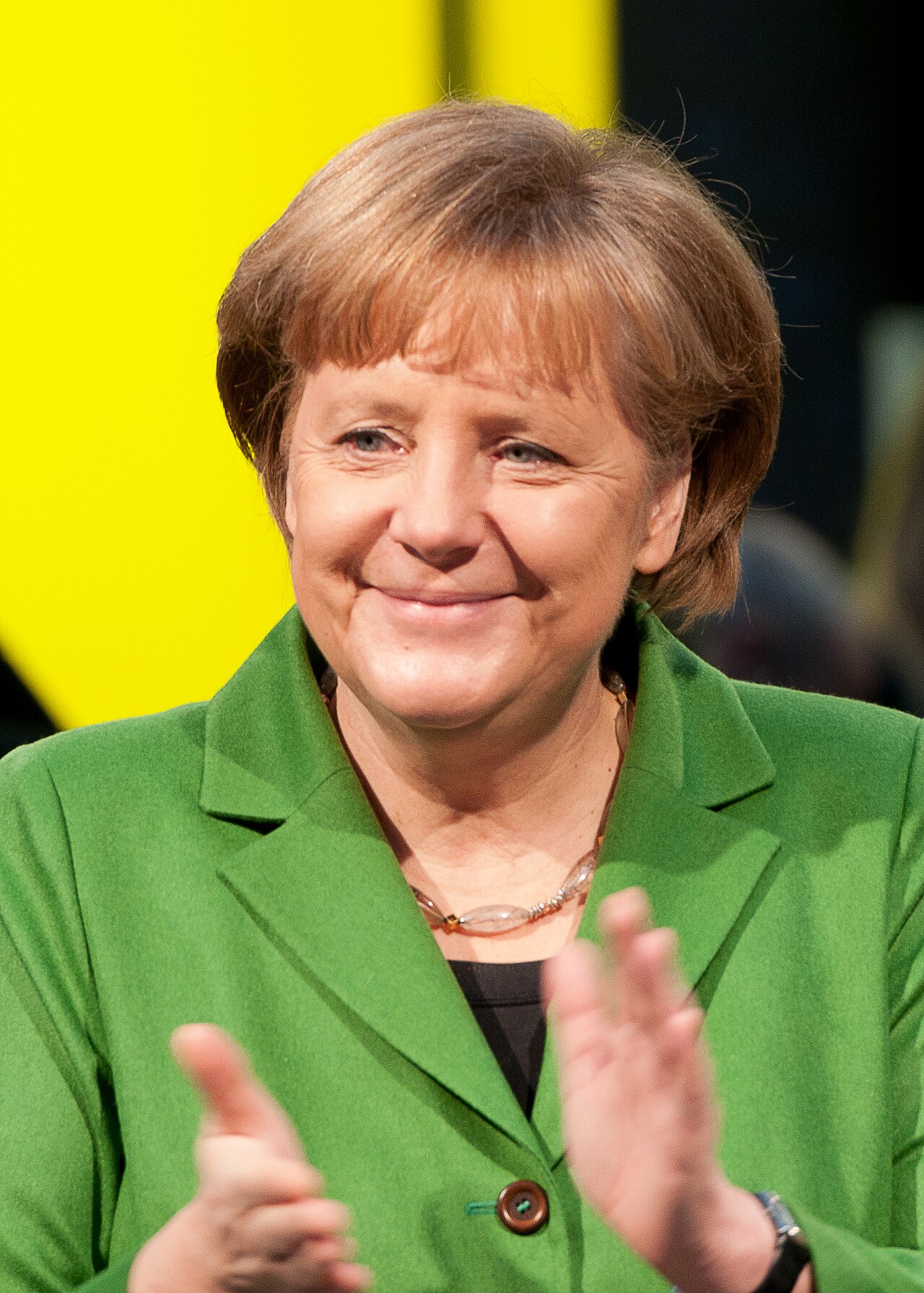
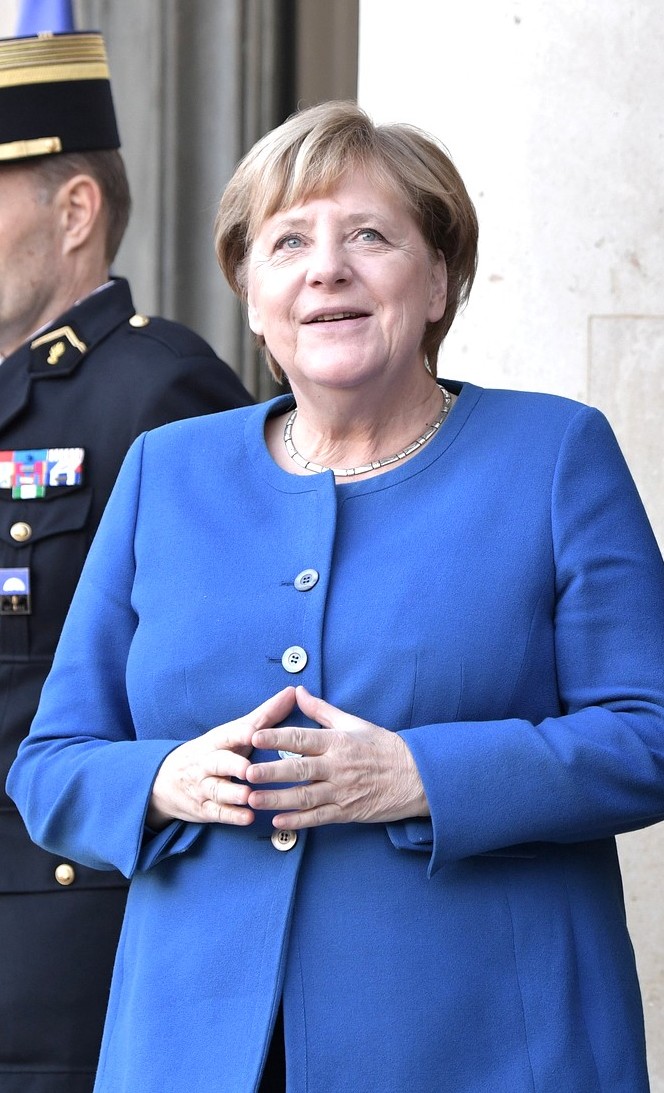
Angela Merkel
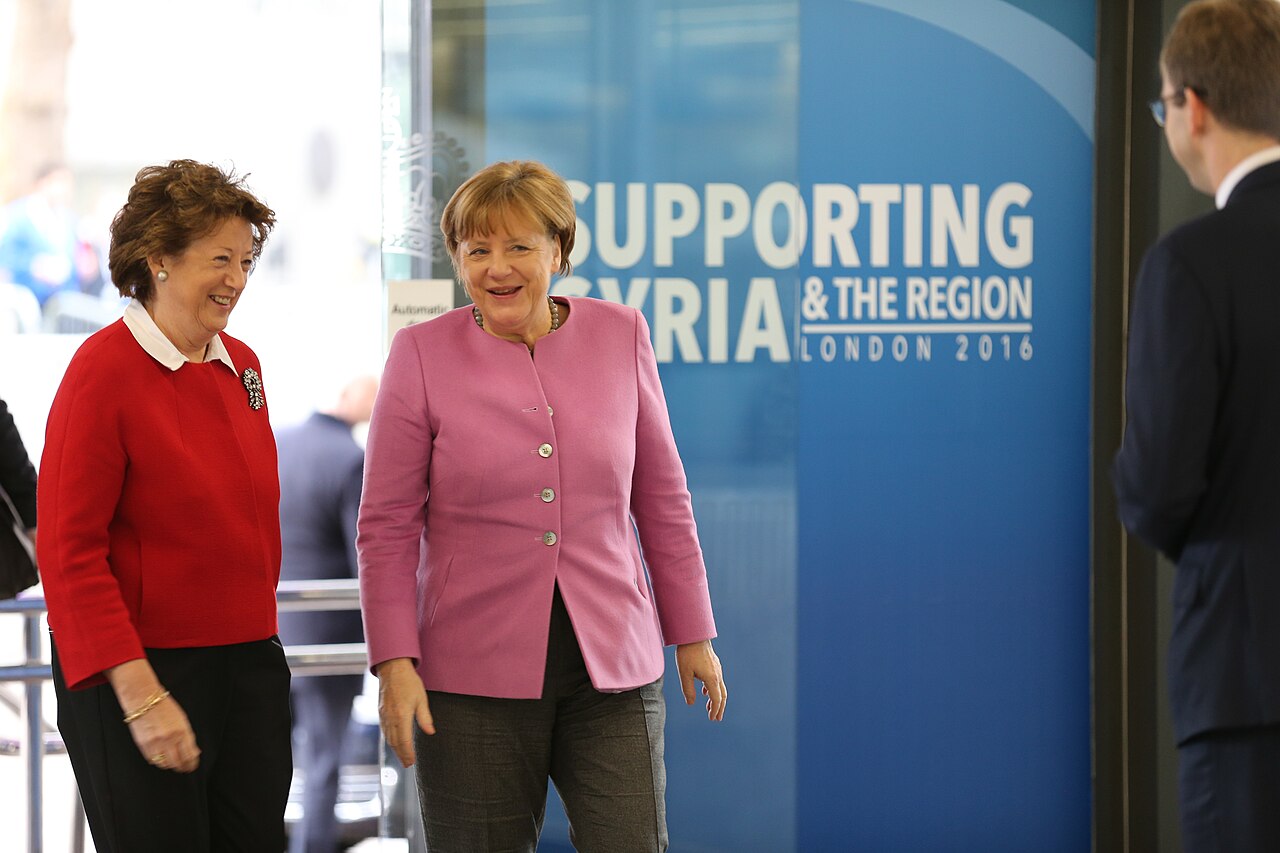
First female German chancellor and the first chancellor raised in former East Germany.

Ralf Roletschek · CC BY-SA 3.0 at
She is the only woman to have held the office and the only former East German. When *Time* declared her the Time Person of the Year for 2015, the cover bore the title "Chancellor of the Free World." Following the election of Donald Trump in November 2016, *The New York Times* called Merkel "the Liberal West's Last Defender," and a number of commentators called her "the next leader of the free world." Merkel herself rejected the description. After her retirement, Hillary Clinton wrote that "she led Europe through difficult times with steadiness and bravery, and for four long years, she was the leader of the free world."
- field
- Politics, quantum chemistry
- nationality
- German
- known_for
- First female Chancellor of Germany; first chancellor raised in former East Germa
- party
- Christian Democratic Union (CDU)
Verified Timeline
Lore & Background
When *Time* declared German Chancellor Angela Merkel as the Time Person of the Year for 2015, it referred to her as "Europe's most powerful leader," and the cover bore the title "Chancellor of the Free World." Following the election of Donald Trump to the US presidency in November 2016, *The New York Times* called Merkel "the Liberal West's Last Defender," and a number of commentators called her "the next leader of the free world." Merkel herself rejected the description. An article by James Rubin in *Politico* about a White House meeting between Merkel and Trump was ironically titled "The Leader of the Free World Meets Donald Trump." German commentators agreed with Merkel's assessment, and Friedrich Merz, a CDU politician, said that a German chancellor could never be "leader of the free world." In April 2017, columnist James Kirchick stressed the importance of the German elections (on which "the future of the free world" depended) since America had "abdicated its traditional role as leader of the free world by electing Trump." Jagoda Marinić, writing for *The New York Times*, noted that "Barack Obama all but literally passed on the mantle of 'leader of the free world' to Ms. Merkel (and not Mr. Trump), and most Germans feel empowered by that new responsibility." Questioned about Merkel's standing following her performance in the 2017 German federal election, former US Secretary of State Hillary Clinton opined that Merkel was "the most important leader in the free world." After Merkel's party suffered losses in the 2017 election and there were delays in forming a government, the claim that Merkel is the true leader of the free world was referred to as a "joke." When Merkel retired as chancellor, Clinton wrote that "she led Europe through difficult times with steadiness and bravery, and for four long years, she was the leader of the free world."
Reader's Guide
Angela Merkel's significance lies in her unprecedented tenure as Germany's first female chancellor and the first chancellor raised in the former East Germany. Her legacy is marked by both stability and controversy, particularly regarding energy dependence on Russia and military readiness. Merkel's pragmatic, crisis-management style defined German and European politics for over a decade.
Did You Know?
- When *Time* declared Merkel Time Person of the Year for 2015, the cover bore the title "Chancellor of the Free World."
- Following Donald Trump's election in November 2016, *The New York Times* called Merkel "the Liberal West's Last Defender."
- Merkel herself rejected the description "leader of the free world."
- Friedrich Merz, a CDU politician, said a German chancellor could never be "leader of the free world."
- Hillary Clinton wrote that Merkel "led Europe through difficult times with steadiness and bravery, and for four long years, she was the leader of the free world."
Chancellor of the Free World: Time's 2015 Designation
In 2015, Time magazine selected Angela Merkel as its Person of the Year, a designation that placed her at the apex of global political attention. The magazine's cover carried the striking title "Chancellor of the Free World," while the accompanying text described her as "Europe's most powerful leader." This framing was notable because the phrase "leader of the free world" had, for decades, been a colloquialism reserved almost exclusively for the president of the United States—a title rooted in the Cold War era when the U.S. positioned itself as the principal democratic superpower. By applying it to a German chancellor, Time was effectively acknowledging a shift in the geopolitical landscape, one in which European leadership had gained new prominence in the eyes of American media. The designation was not merely a compliment; it signaled that Merkel had come to embody, in the public imagination, the moral and symbolic leadership that the term "free world" had historically implied.
Merkel's Rejection of the Title
Despite the international press's enthusiasm, Merkel herself firmly rejected the characterization of "leader of the free world." She did not embrace the mantle, and her refusal was not merely a gesture of modesty but reflected a deeper political reality. German commentators echoed her sentiment. Friedrich Merz, a politician from the CDU, stated plainly that a German chancellor could never legitimately hold the title of "leader of the free world." This pushback carried historical weight: Germany's complex twentieth-century past made any claim to universal moral leadership particularly sensitive in domestic politics. The rejection also underscored a broader point about the term itself—its origins in American propaganda during World War II and the Cold War, where it was explicitly tied to U.S. leadership. For Merkel and her German political peers, accepting the label would have meant stepping into a role that, by its very linguistic and historical DNA, belonged to Washington.
The Post-Trump Reassessment of Merkel's Role
The election of Donald Trump to the U.S. presidency in November 2016 triggered a wave of commentary that repositioned Merkel at the center of Western liberal leadership. The New York Times labeled her "the Liberal West's Last Defender," while a chorus of commentators went further, declaring her "the next leader of the free world." James Kirchick, writing in April 2017, argued that the outcome of German elections now carried outsized global significance. His reasoning was stark: America had, in his words, "abdicated its traditional role as leader of the free world by electing Trump"; the United Kingdom was "turning inward" following its Brexit referendum; and France, "traditionally unilateralist," now had an inexperienced president at its helm. In this perceived vacuum, Kirchick described Merkel as "something less than leader of the free world ... but something greater than the leader of just another random country"—a formulation that captured both the limits and the extraordinary weight of her position.
Merkel Within the Evolving 'Free World' Discourse
Merkel's brief association with the "free world" label unfolded against a backdrop of the term's long and contested history. The phrase originated in American political discourse in May 1940, after Germany's invasion of Belgium, the Netherlands, and France, and was used by Franklin D. Roosevelt in 1941 to rally congressional support for military aid. During the Cold War, it became a propaganda staple denoting the bloc of liberal democracies aligned with the United States, the European Union, and NATO, as opposed to Communist states. The term was not without criticism: neutral and Third World nations often viewed American claims to "free world" leadership as grandiose and illegitimate. Even within the Western bloc, the label had shifted—Samuel P. Huntington argued it had been replaced by the more euphemistic "international community." In this evolving landscape, Merkel's momentary elevation to "Chancellor of the Free World" represented a rare, if contested, transfer of a title that had, for seventy-five years, been almost exclusively American.
Gallery
More in Political Leaders & Revolutionaries 1-24
Elsewhere in the Political Leaders & Revolutionaries universe
Spotted an error? Know more?
This is a living reference — every entry is fact-audited, and reader corrections feed straight into our audit queue. Suggest an edit · See this site's audit record