Eisaku Satō

Jack de Nijs for Anefo · CC BY-SA 3.0 nl
A former elite bureaucrat and member of the Yoshida school, he supported Keynesian economic policies and presided over a period of rapid economic growth.
- field
- Politics
- nationality
- Japanese
Lore & Background
His family had a history in sake brewing, and his great-grandfather was a samurai of the Chōshū Domain.
Reader's Guide
However, later revelations showed he made secret agreements with the U.S. that allowed violations of those principles, including discussions about using nuclear weapons against China and permitting nuclear warheads in Okinawa after reversion. His legacy is thus marked by both public commitment to non-proliferation and private accommodation of U.S. nuclear strategy.
Did You Know?
- Satō was the younger brother of prime minister Nobusuke Kishi.
- At the time of his resignation, Satō was the longest-serving prime minister in Japanese history.
Gallery
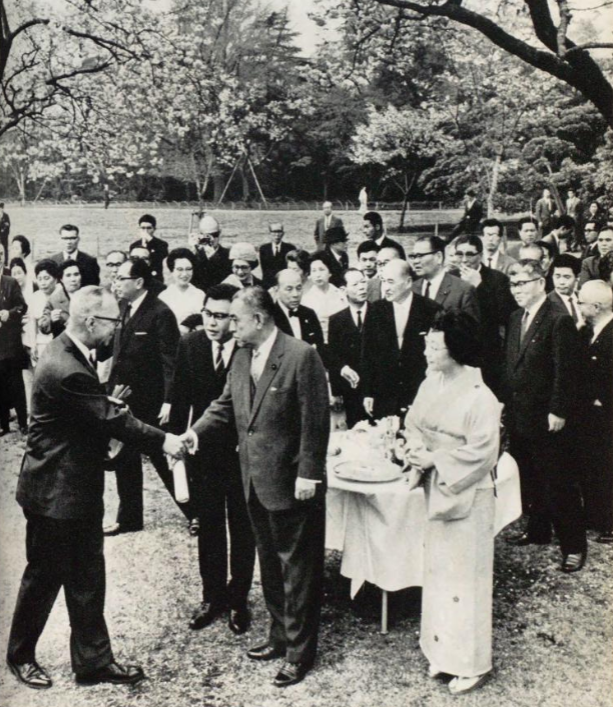
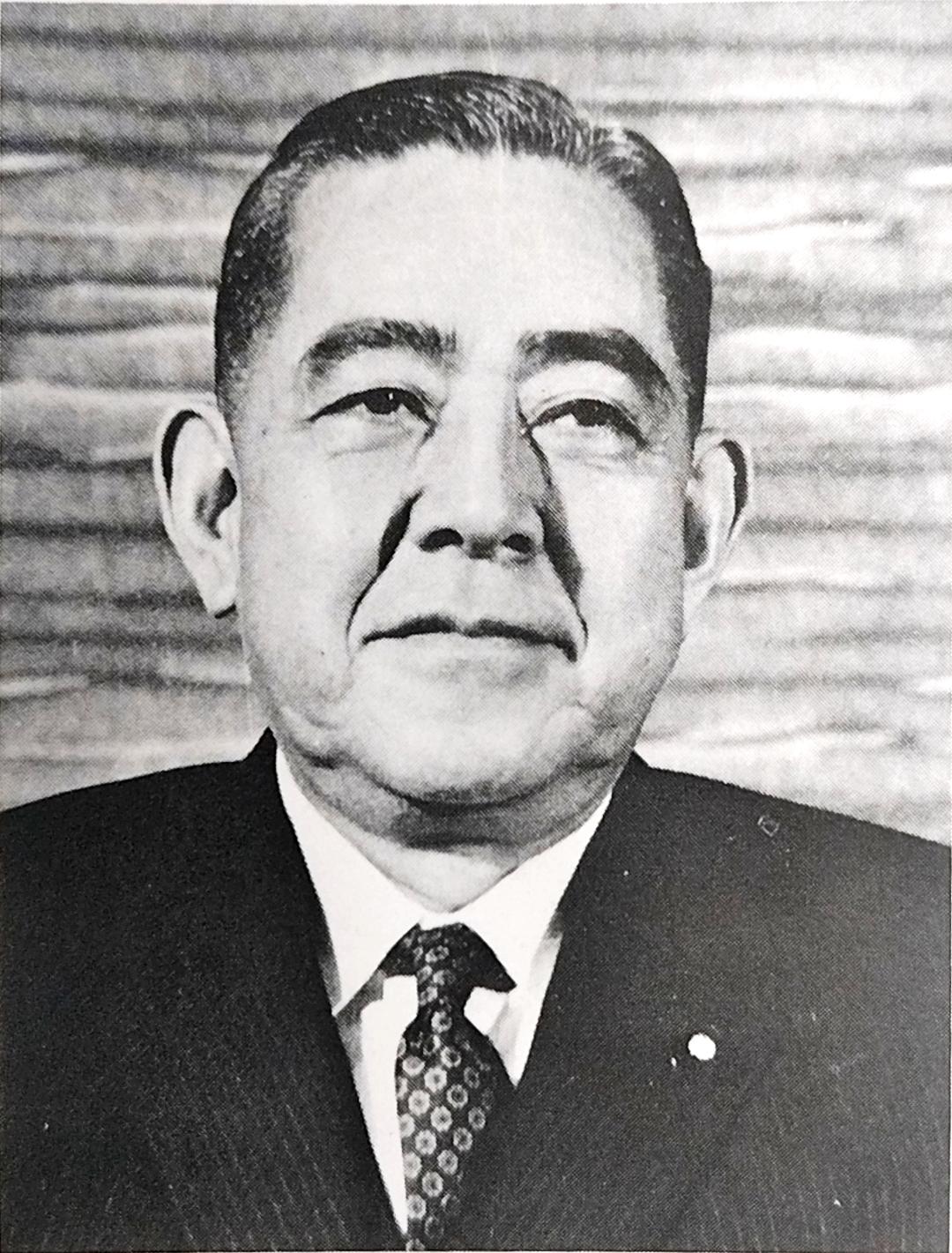
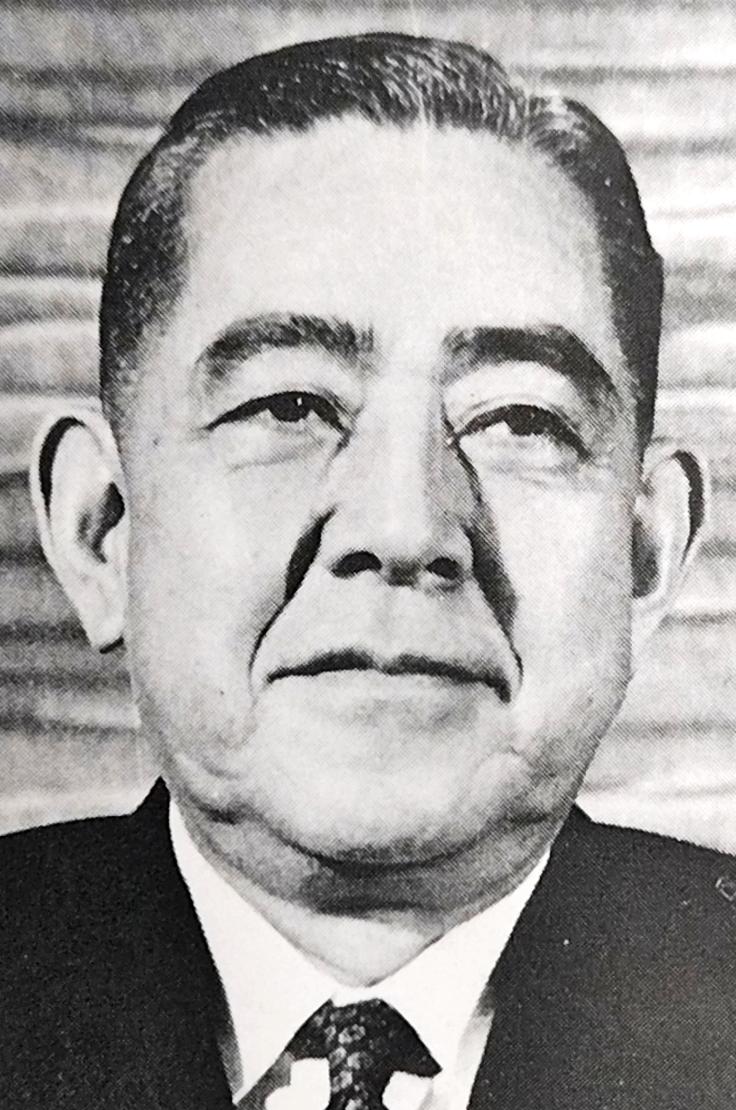
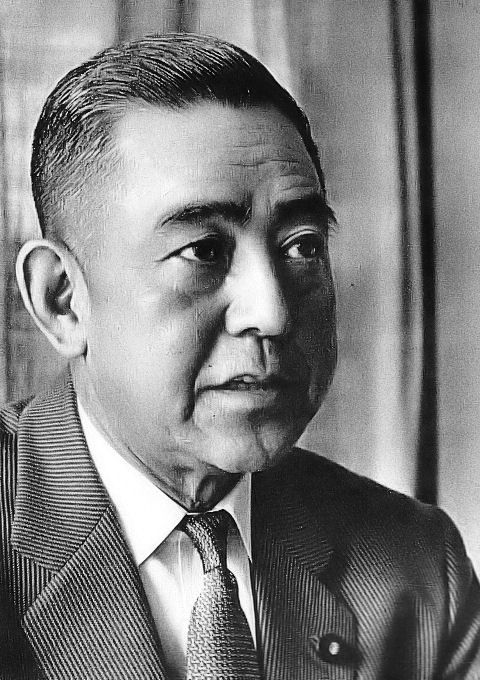
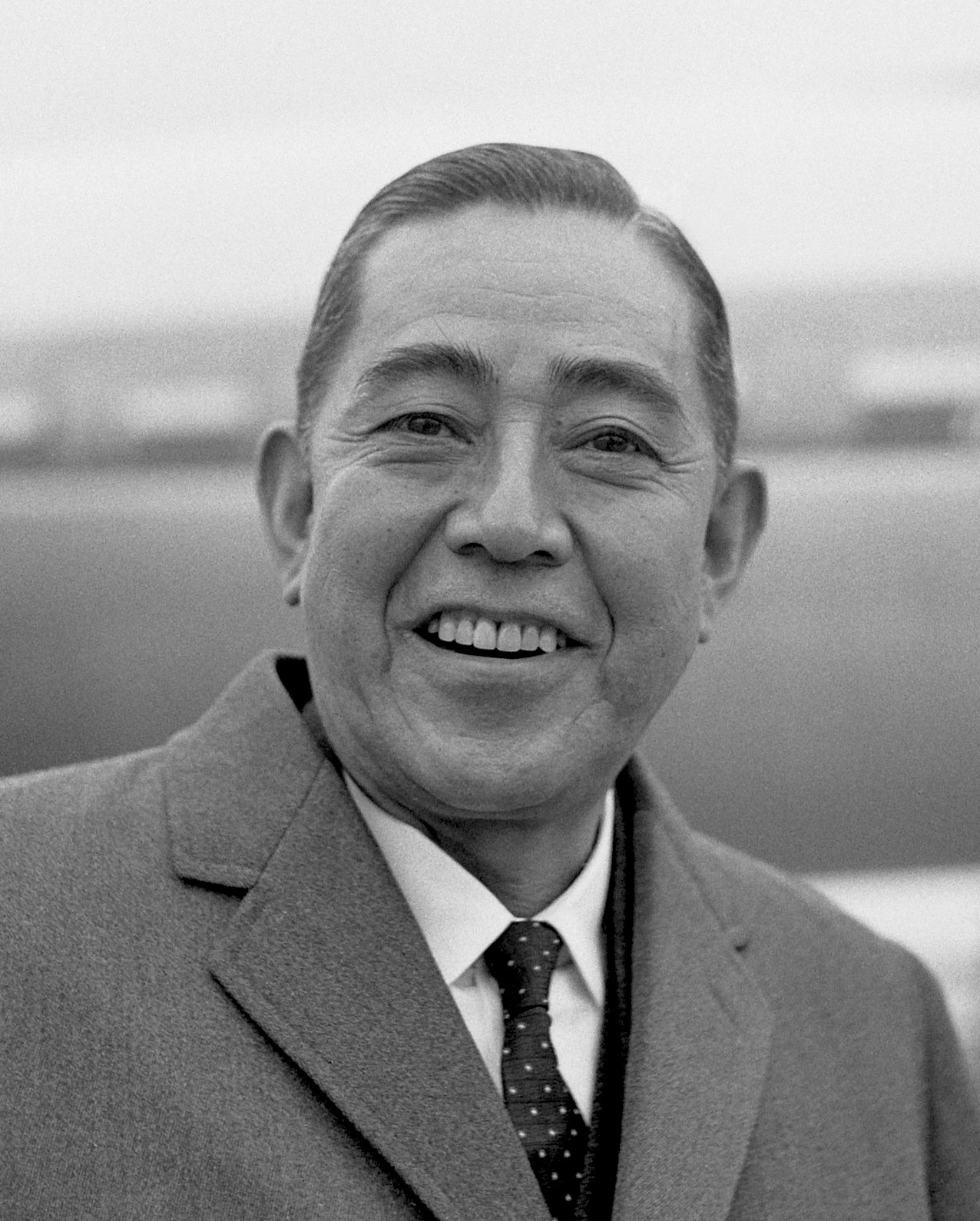
Frequently Asked Questions
What was Eisaku Satō's economic legacy as prime minister?
During his tenure, Japan experienced a remarkable wave of economic expansion, and Satō's administration leaned on Keynesian stimulus to sustain that growth. His eight-year run as PM gave his policies a continuity that shorter-serving predecessors rarely enjoyed.
More in Political Leaders & Revolutionaries 25-36
Elsewhere in the Political Leaders & Revolutionaries universe
Spotted an error? Know more?
This is a living reference — every entry is fact-audited, and reader corrections feed straight into our audit queue. Suggest an edit · See this site's audit record