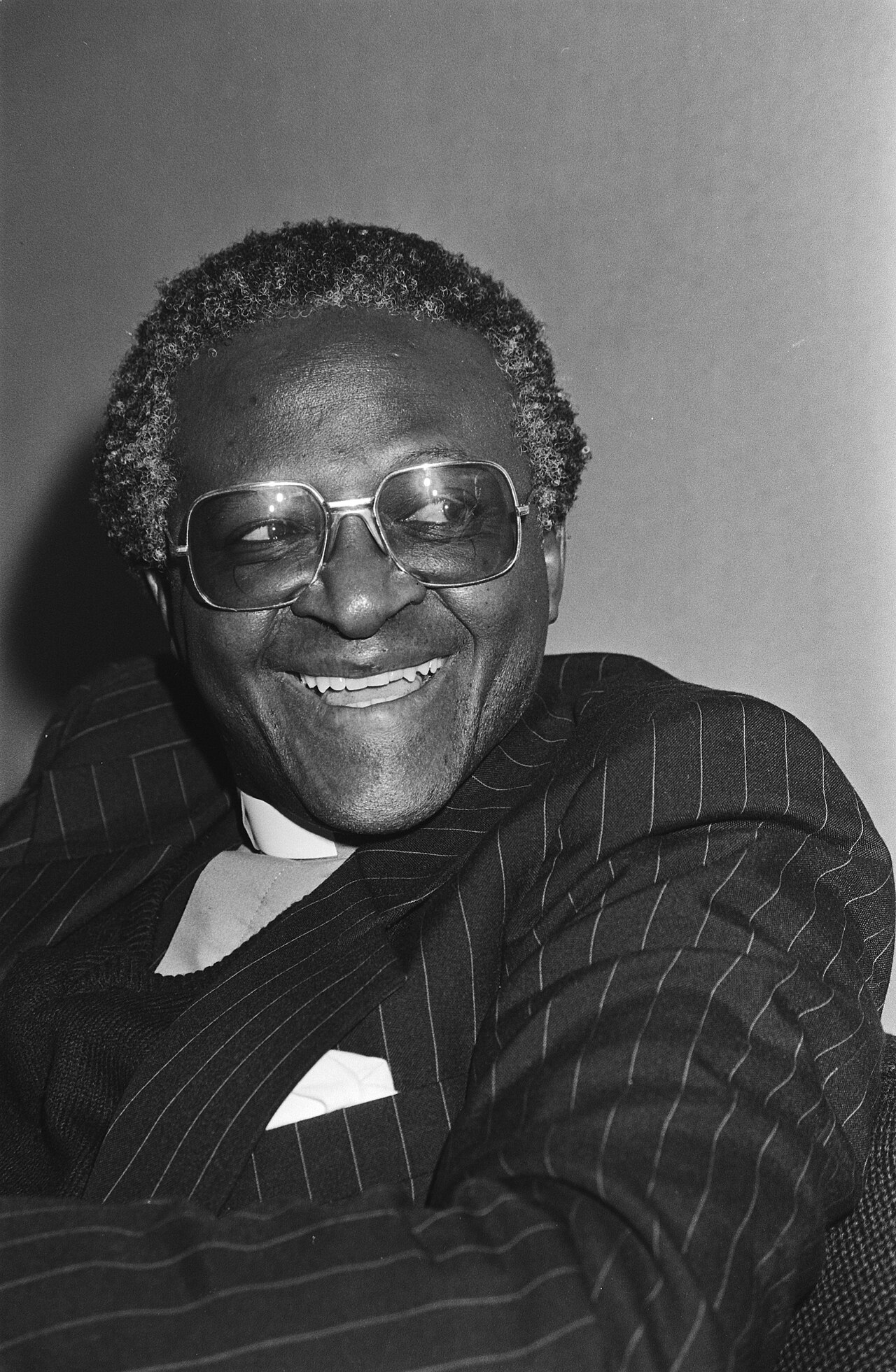
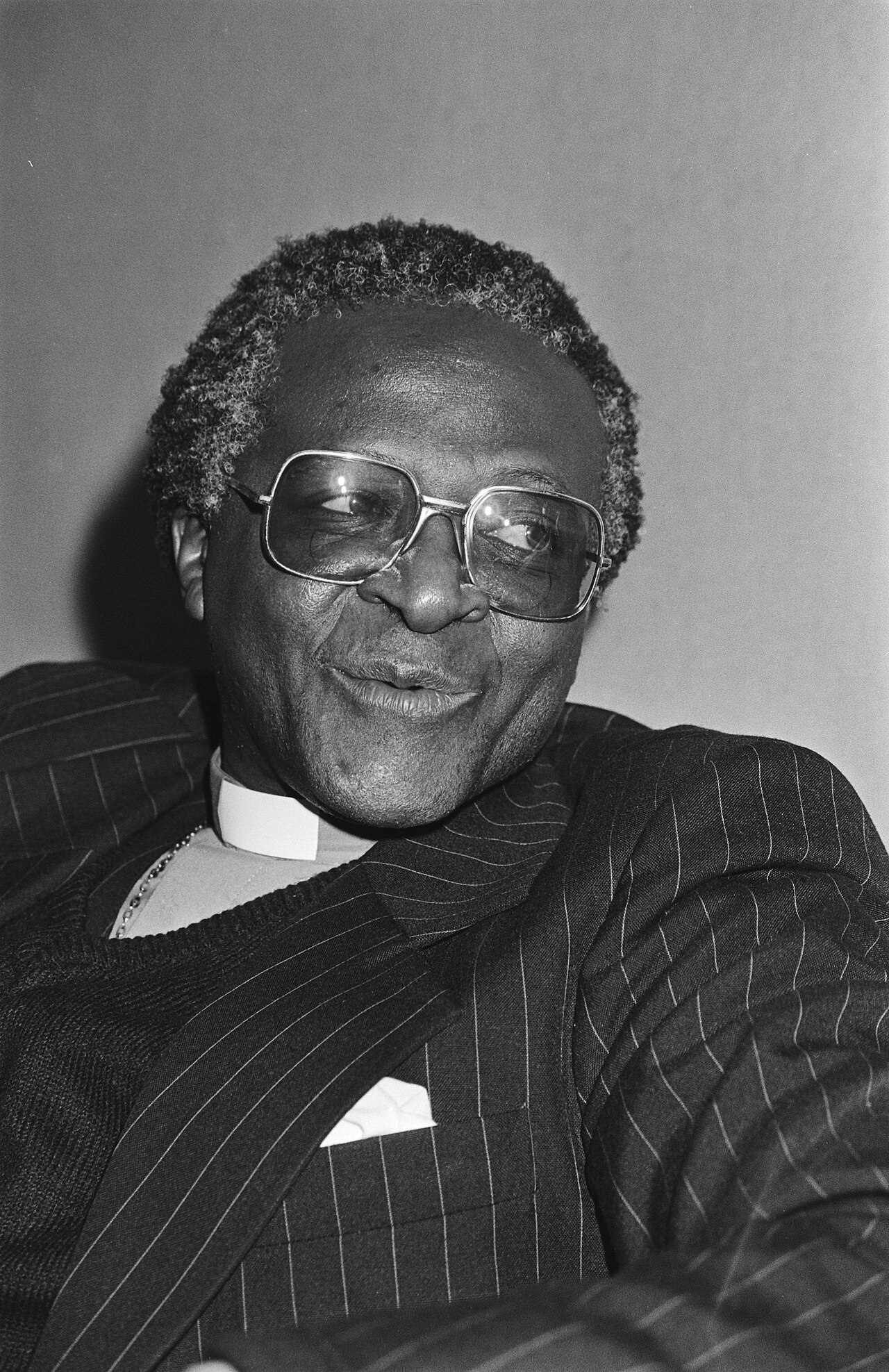
Desmond Tutu
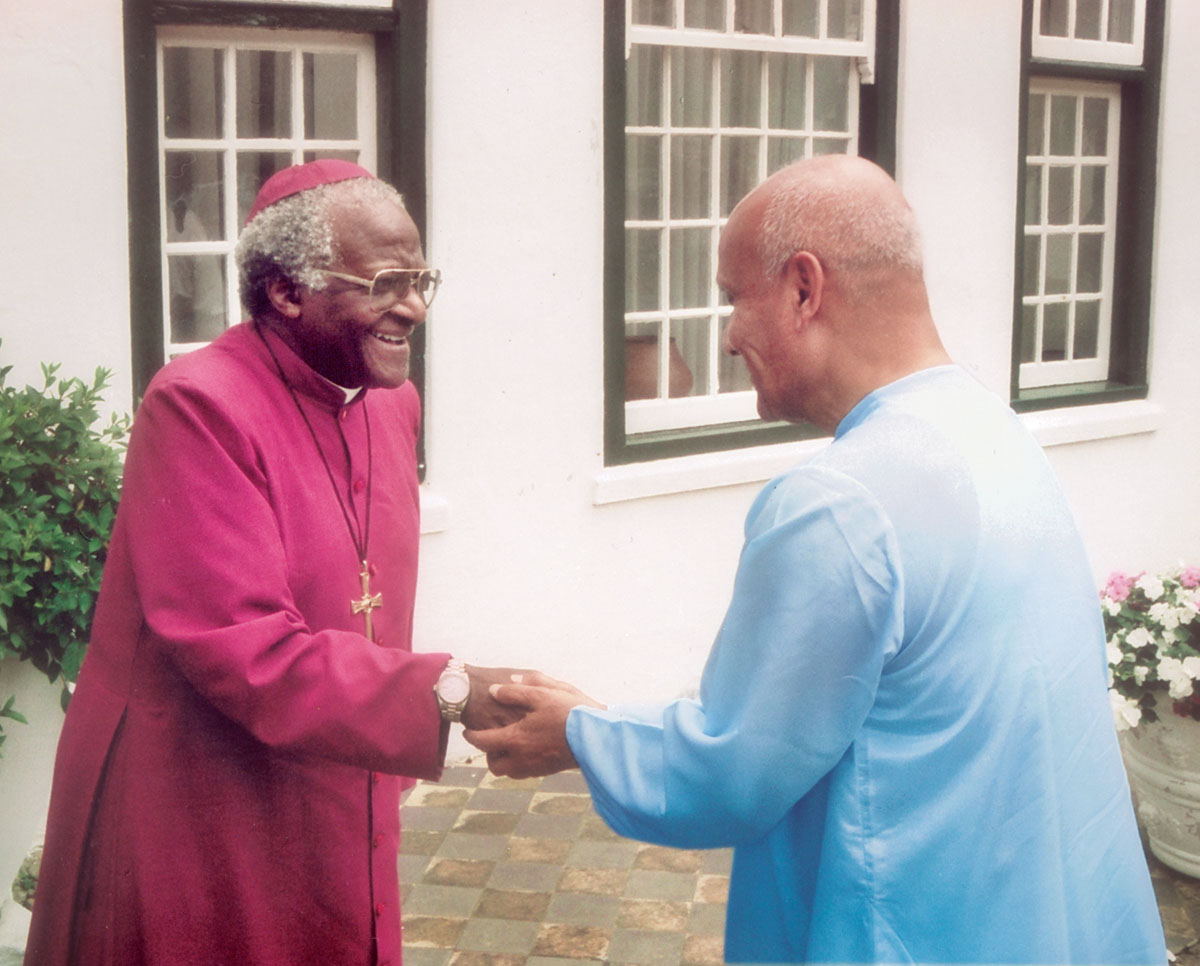
South African Anglican bishop and anti-apartheid activist.

Hans van Dijk for Anefo · CC0
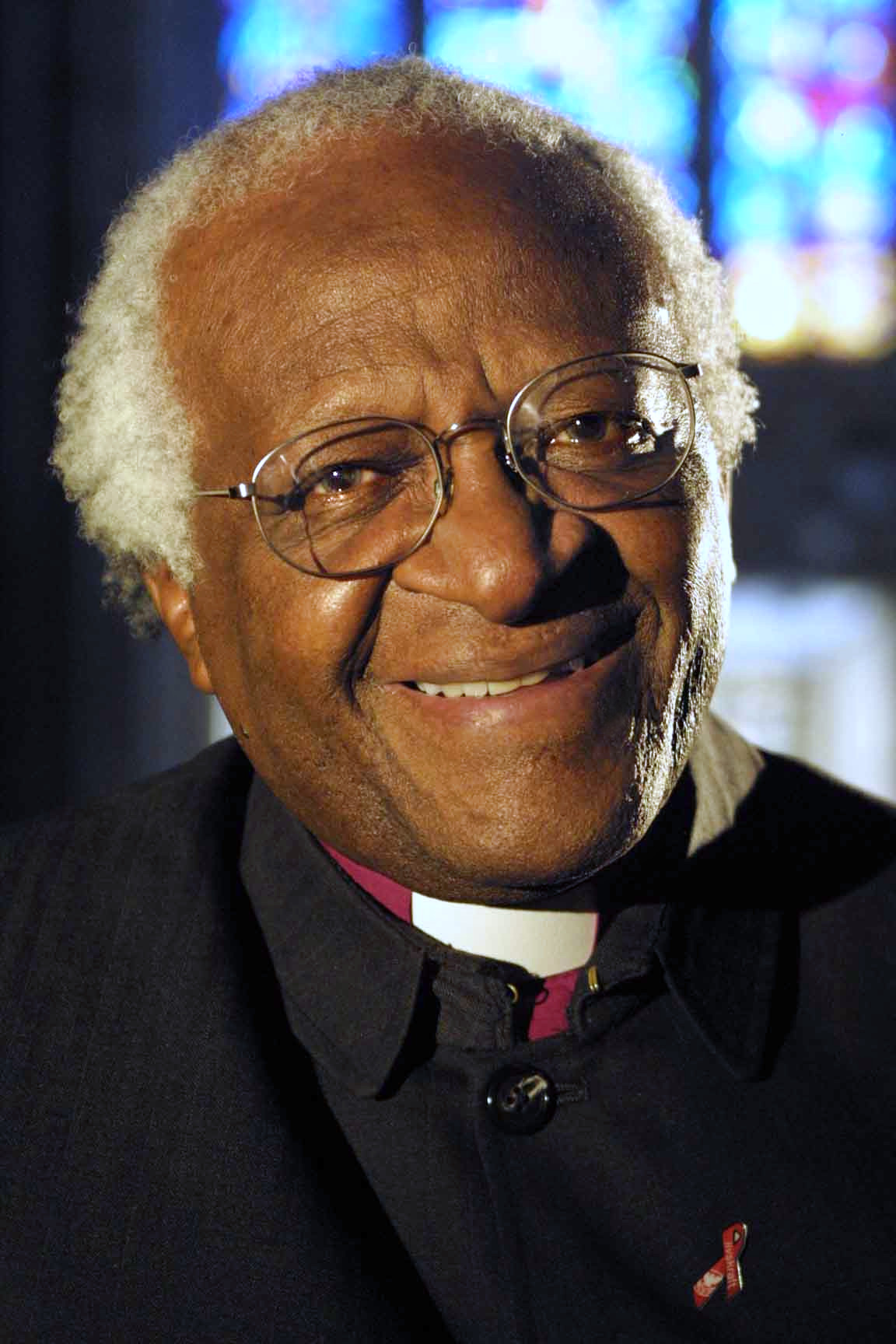
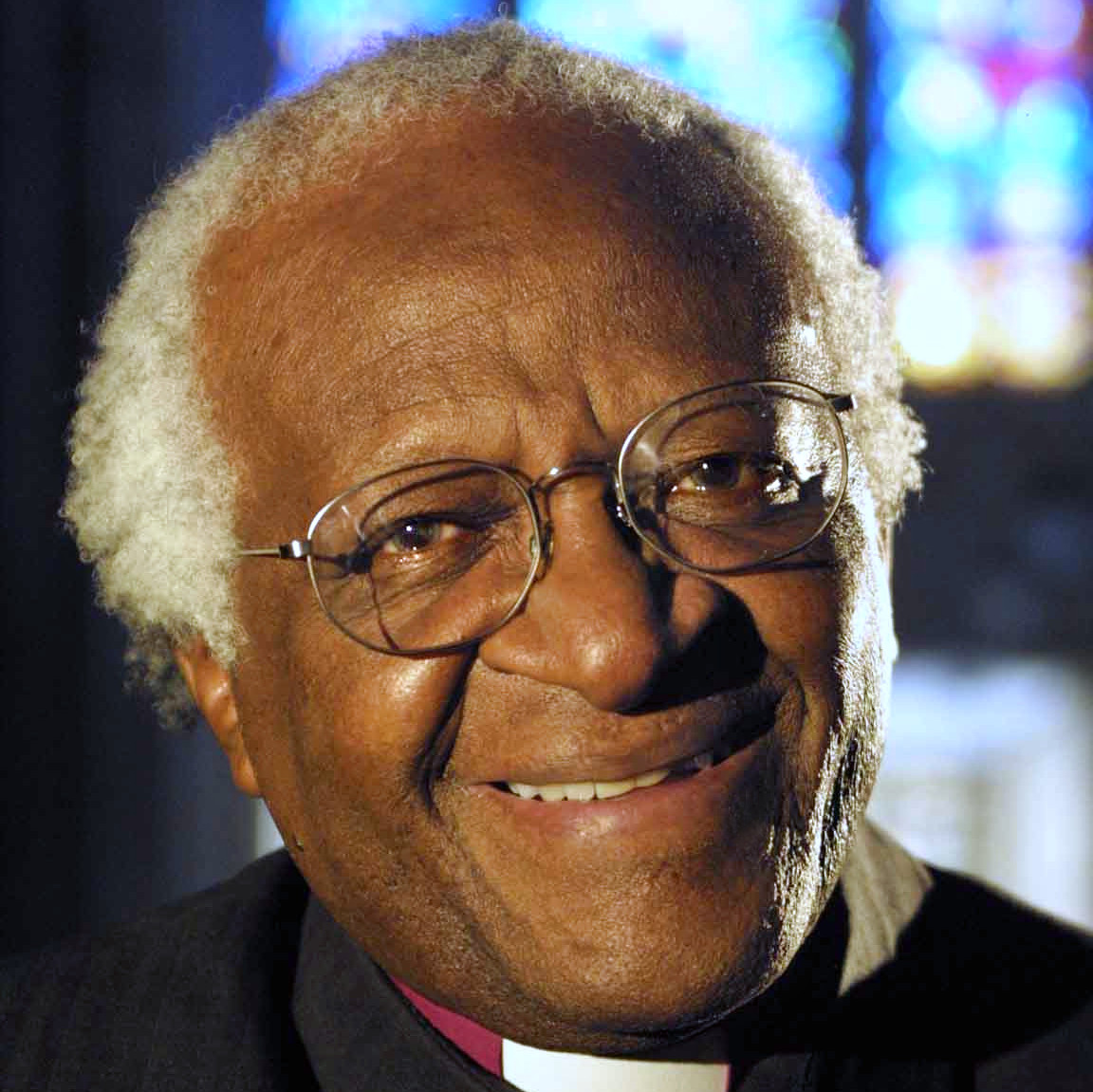
Desmond Mpilo Tutu (7 October 1931 – 26 December 2021) was a South African Anglican bishop and theologian, known for his work as an anti-apartheid and human rights activist. He was the first black African to serve as Bishop of Johannesburg (1985–1986) and Archbishop of Cape Town (1986–1996). He emerged as one of the most prominent opponents of South Africa's apartheid system, stressing non-violent protest and foreign economic pressure to bring about universal suffrage.
- born
- 7 October 1931, Klerksdorp, Transvaal, South Africa
- died
- 26 December 2021
- field
- Anglican bishop, theologian, anti-apartheid activist
- nationality
- South African
- known_for
- Anti-apartheid activism, chairing the Truth and Reconciliation Commission, Nobel
Verified Timeline
Lore & Background
Desmond Tutu was born of mixed Xhosa and Motswana heritage to a poor family in Klerksdorp. He trained as a teacher and married Nomalizo Leah Shenxane, with whom he had several children. In 1960 he was ordained as an Anglican priest and in 1962 moved to the United Kingdom to study theology at King's College London. After returning to southern Africa, he taught at the Federal Theological Seminary and the University of Botswana, Lesotho and Swaziland, then served as the Theological Education Fund's director for Africa. Back in southern Africa in 1975, he served as dean of St Mary's Cathedral in Johannesburg, Bishop of Lesotho, and from 1978 to 1985 as general-secretary of the South African Council of Churches. In 1985 Tutu became Bishop of Johannesburg and in 1986 Archbishop of Cape Town, the most senior position in southern Africa's Anglican hierarchy. He emphasized a consensus-building model of leadership and oversaw the introduction of female priests. Also in 1986, he became president of the All Africa Conference of Churches. After President F. W. de Klerk released Nelson Mandela from prison in 1990, Tutu assisted as a mediator between rival black factions. Following the 1994 general election, Mandela selected Tutu to chair the Truth and Reconciliation Commission to investigate past human rights abuses. After apartheid's fall, Tutu campaigned for gay rights and spoke out on a wide range of subjects, including criticism of South African presidents Thabo Mbeki and Jacob Zuma, opposition to the Iraq War, and his view that Israel's treatment of Palestinians constituted apartheid. He retired from public life in 2010 but continued to speak out.
Reader's Guide
Desmond Tutu's significance lies in his role as a leading figure in the anti-apartheid movement and his subsequent work in post-apartheid South Africa. As a cleric, he fused ideas from black theology with African theology and used his positions—first as general-secretary of the South African Council of Churches, then as Bishop of Johannesburg and Archbishop of Cape Town—to oppose apartheid through non-violent protest and advocacy for foreign economic pressure. His selection by Nelson Mandela to chair the Truth and Reconciliation Commission placed him at the center of South Africa's effort to address past human rights abuses. Tutu attracted controversy throughout his career: popular among South Africa's black majority and internationally praised, he was considered too radical by many white South Africans, too moderate by various anti-apartheid activists, and was accused by Jewish groups of making antisemitic statements. His legacy includes winning the Nobel Peace Prize and other international awards, and his continued activism on gay rights and other issues after apartheid's fall.
Did You Know?
- Tutu was born on 7 October 1931 in Klerksdorp, Transvaal, South Africa, to a poor family of mixed Xhosa and Motswana heritage.
- He was the first black African to serve as Bishop of Johannesburg (1985–1986) and Archbishop of Cape Town (1986–1996).
- Tutu won the Nobel Peace Prize for his anti-apartheid activism.
- After the 1994 general election, Nelson Mandela selected Tutu to chair the Truth and Reconciliation Commission.
- Tutu was ordained as an Anglican priest in 1960 and studied theology at King's College London from 1962.
From Classroom to Cathedral: A Theological Journey
Desmond Tutu's climb to the apex of southern Africa's Anglican hierarchy was a long, winding road. After training as a teacher and marrying Nomalizo Leah Shenxane, he was ordained in 1960 and spent two years studying theology at King's College London. Back on the continent he taught at the Federal Theological Seminary and the University of Botswana, Lesotho and Swaziland, then took a London-based directorship of the Theological Education Fund for Africa in 1972, a role that sent him touring the continent regularly. Returning to southern Africa in 1975, he served as dean of St Mary's Cathedral in Johannesburg and as Bishop of Lesotho, followed by seven years as general-secretary of the South African Council of Churches. In 1985 he became the first black African to hold the see of Johannesburg, and in 1986 he rose to the Archbishopric of Cape Town, the most senior position in the region. Theologically, Tutu sought to fuse black theology with wider African theological traditions. As archbishop he promoted a consensus-building style of leadership and oversaw the introduction of female priests. His concurrent 1986 presidency of the All Africa Conference of Churches further anchored his continental commitments.
Confronting the Machine: Anti-Apartheid and Reconciliation
Tutu emerged as one of the most visible opponents of South Africa's system of racial segregation and white minority rule. Even as he warned the National Party government that simmering anger over apartheid would inevitably erupt into racial violence, he consistently urged non-violent protest and called on the international community to apply economic pressure to force the government toward universal suffrage. When President F. W. de Klerk released Nelson Mandela from prison in 1990, the two men led negotiations that dismantled apartheid and opened the door to multi-racial democracy. During that turbulent period Tutu stepped in as a mediator between rival black political factions, helping to navigate deep tensions within the liberation movement. After the 1994 general election produced a coalition government under Mandela, the new president selected Tutu to chair the Truth and Reconciliation Commission. That body was tasked with investigating human rights abuses committed by both pro-apartheid and anti-apartheid actors, and Tutu's stewardship of the process left a lasting mark on how a fractured nation confronted its shared past.
A Voice That Refused to Go Quiet
Long after apartheid fell, Tutu remained a fiercely independent moral voice. He campaigned publicly for gay rights, criticised South African presidents Thabo Mbeki and Jacob Zuma, voiced opposition to the Iraq War, and drew a pointed parallel between Israel's treatment of Palestinians and the apartheid system he had spent decades opposing. His willingness to speak across the political spectrum earned him the Nobel Peace Prize and a host of other international honours, and made him a beloved figure among South Africa's black majority. Yet his candour also drew fire from multiple directions: many white South Africans regarded him as dangerously radical, some fellow anti-apartheid activists felt he was too moderate, and Jewish groups accused him of making antisemitic remarks. In 2010 he formally retired from public life, though he continued to comment on issues that mattered to him. He died on 26 December 2021, leaving behind a legacy defined as much by his stubborn refusal to stay silent as by his earlier triumphs.
Roots in the Soil: A Childhood Shaped by Faith and Hardship
Desmond Mpilo Tutu was born on 7 October 1931 in Klerksdorp, Transvaal, into a poor family of mixed Xhosa and Motswana heritage. His mother, Aletta, came from a Motswana family in Boksburg; his father, Zachariah, belonged to the amaFengu branch of the Xhosa and grew up in the Eastern Cape. The household spoke Xhosa, and the family lived in the town's designated black residential area, where Zachariah was principal of a Methodist primary school. Tutu was sickly from infancy—polio atrophied his right hand, and he once required hospitalisation for serious burns. He was close to his father, though troubled by the man's drinking and his violence toward his mother. The family shifted denominations over the years, moving from Methodism through the African Methodist Episcopal Church to the Anglican Church. A love of reading, sparked by comic books and European fairy tales, followed him through a series of school moves across the Witwatersrand and eastern Transvaal. By his mid-teens he was excelling at Johannesburg Bantu High School, playing rugby, and earning pocket money as a caddie for white golfers and by selling oranges. At the Church of Christ the King in Sophiatown, the young server came under the influence of the priest Trevor Huddleston.
Gallery
Frequently Asked Questions
Who is Desmond Tutu?
Desmond Tutu was a South African Anglican bishop, theologian, and human rights activist who became one of the world's most recognizable opponents of apartheid. He is best remembered for chairing the Truth and Reconciliation Commission after the fall of the racist regime.
What was Desmond Tutu's role in the anti-apartheid movement?
As a senior church figure, he consistently called for nonviolent protest and urged the international community to apply economic pressure on the apartheid government. His moral authority made him a central voice in the push for universal suffrage in South Africa.
What was the Truth and Reconciliation Commission?
It was a post-apartheid body chaired by Tutu that investigated human rights violations committed under the old regime. The commission offered perpetrators a chance to seek amnesty in exchange for full public disclosure of their actions.
Why did Desmond Tutu receive the Nobel Peace Prize?
The 1984 Nobel Peace Prize recognized his tireless, nonviolent struggle to dismantle apartheid and his broader advocacy for human rights in South Africa.
When and how did Desmond Tutu die?
Tutu passed away on 26 December 2021 at the age of 90. His death marked the end of a life spent fighting for dignity and reconciliation in South Africa.
More in Political Leaders & Revolutionaries 25-36
Elsewhere in the Political Leaders & Revolutionaries universe
Spotted an error? Know more?
This is a living reference — every entry is fact-audited, and reader corrections feed straight into our audit queue. Suggest an edit · See this site's audit record